
Live-Bottom Silos and Bunkers

Receival, Storage and Outloading
Live Bottom Entladung mit wellenlose Förderspiralen

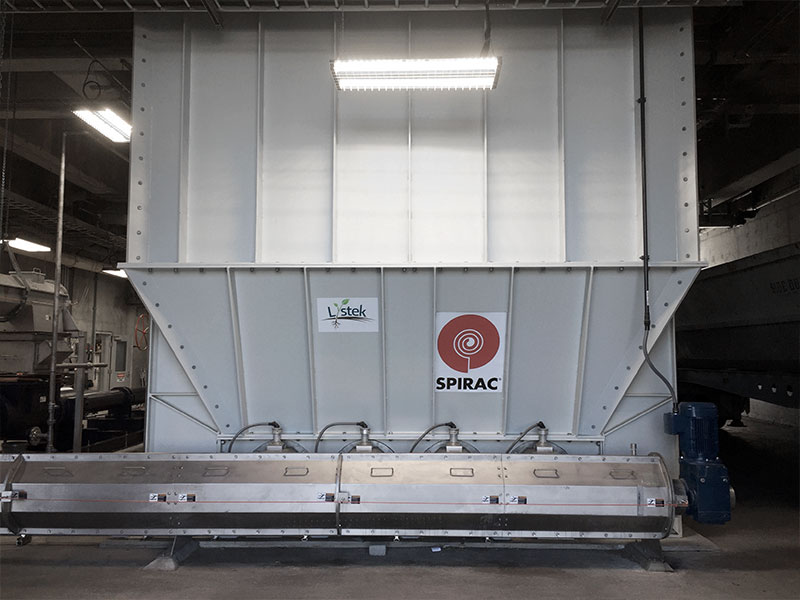
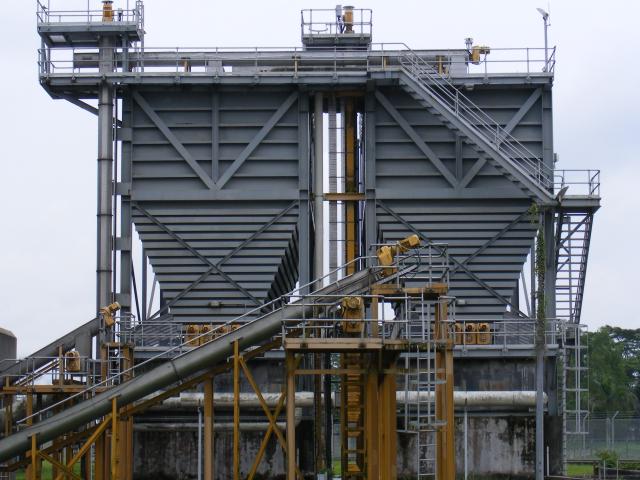
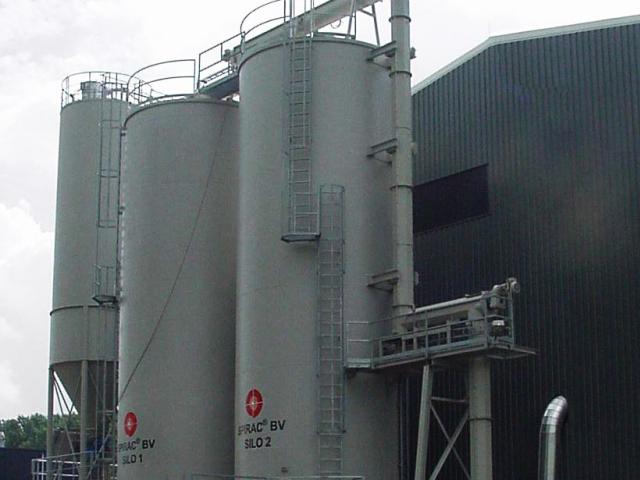
SPIRAC has been the market‑leading supplier of live‑bottom silos and bunkers for the wastewater industry since the 1980s. Hundreds of installations are operating worldwide—many with decades of continuous service. This long operational history reflects the reliability, durability, and engineering quality that SPIRAC systems are known for.

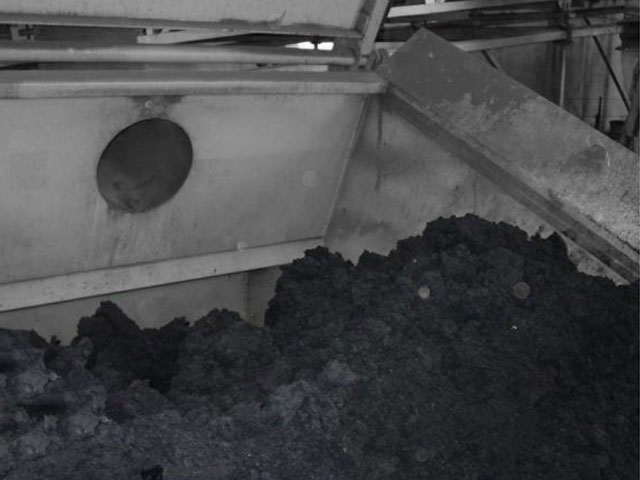
SPIRAC’s live‑bottom silos and hopper systems are purpose‑designed for the storage, transfer, and controlled discharge of non–free‑flowing materials, particularly dewatered sludges. These materials are often sticky, cohesive, or high in moisture, and can easily cause bridging, ratholing, and blockages in conventional silo systems. SPIRAC’s designs eliminate these issues by ensuring consistent, reliable flow under all operating conditions.

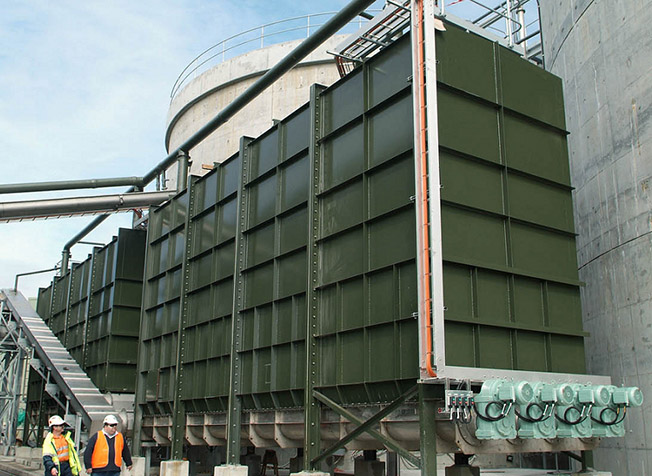
While the overall design is based on standard engineering principles, every silo can be customized in size, geometry, and orientation to meet specific project and site requirements. Three standard configurations offer a wide range of cost‑effective layout options.

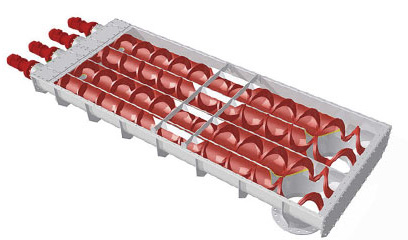
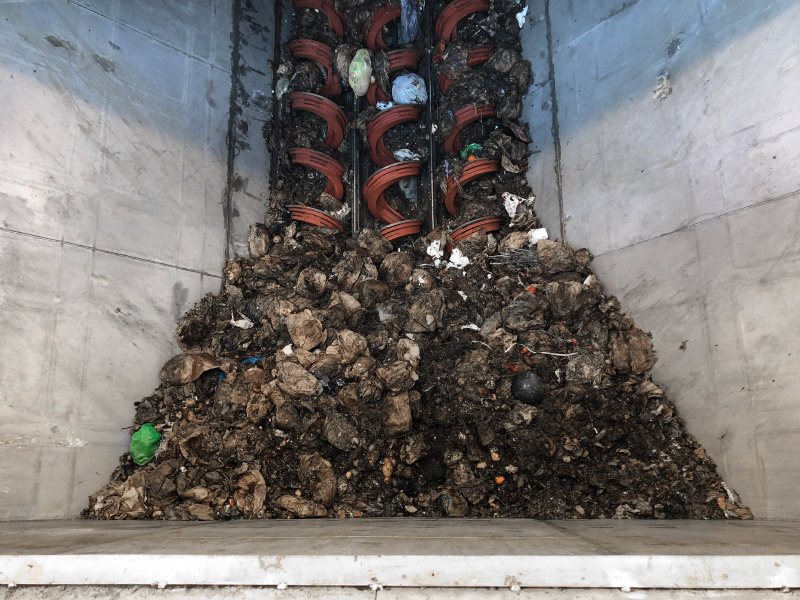
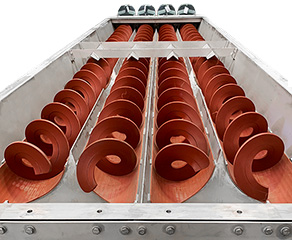
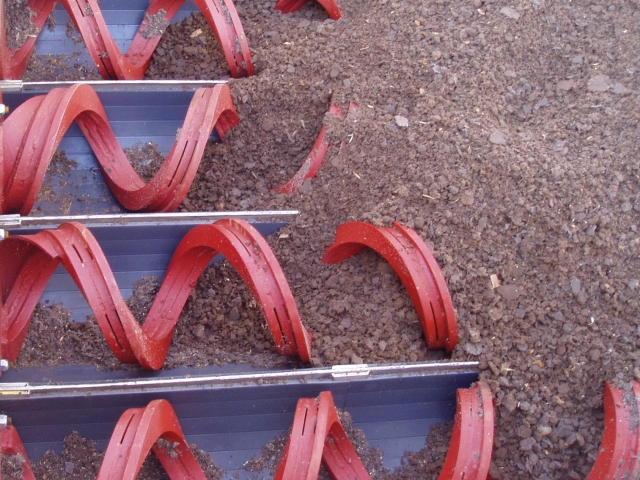
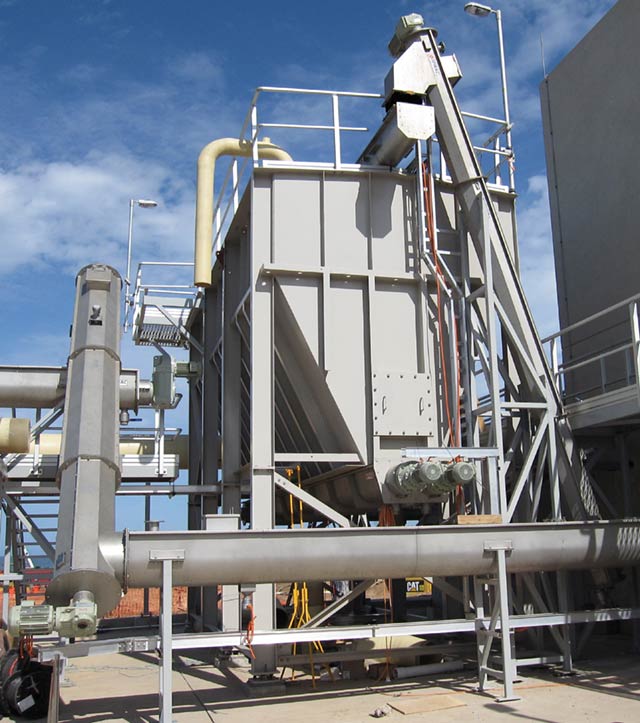
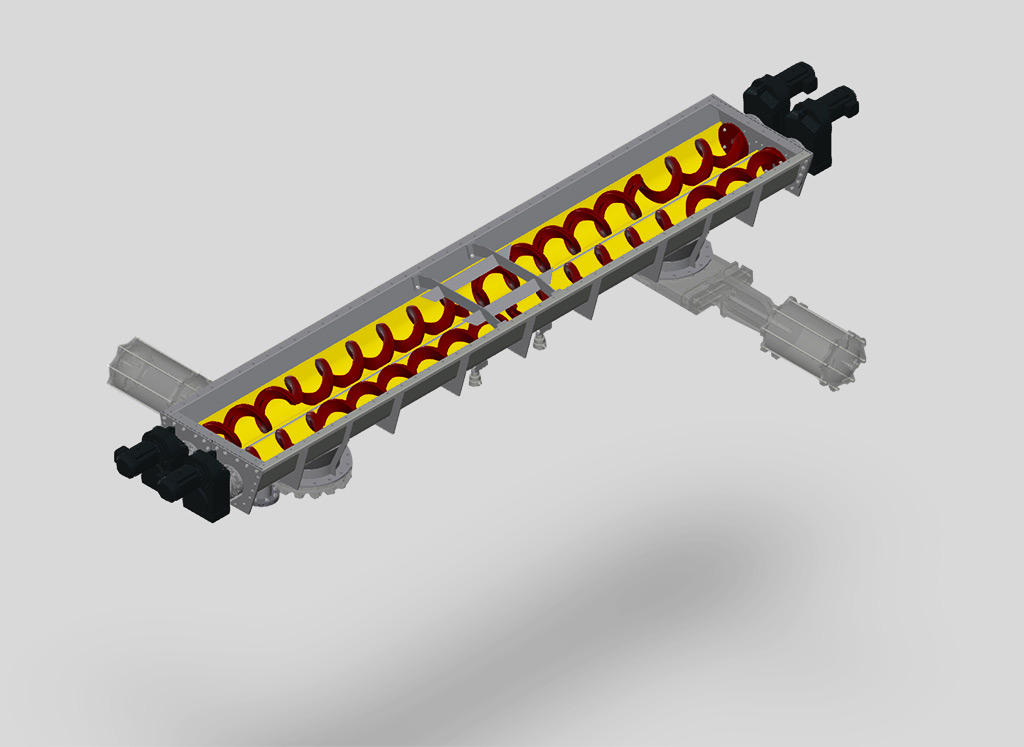
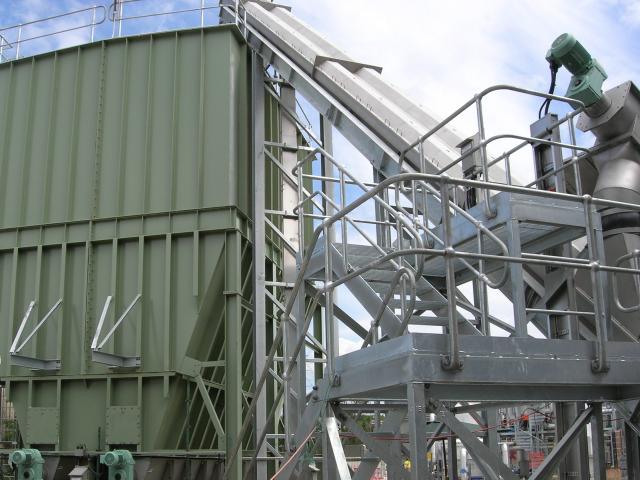
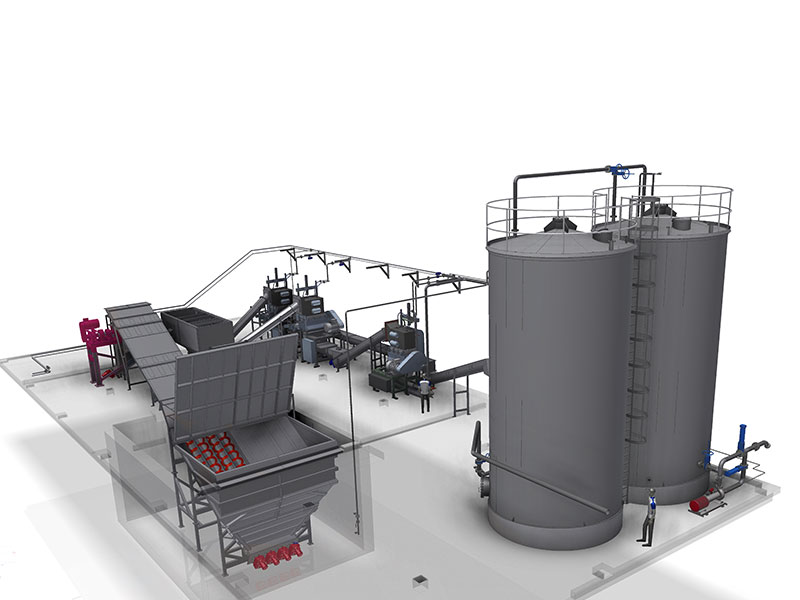
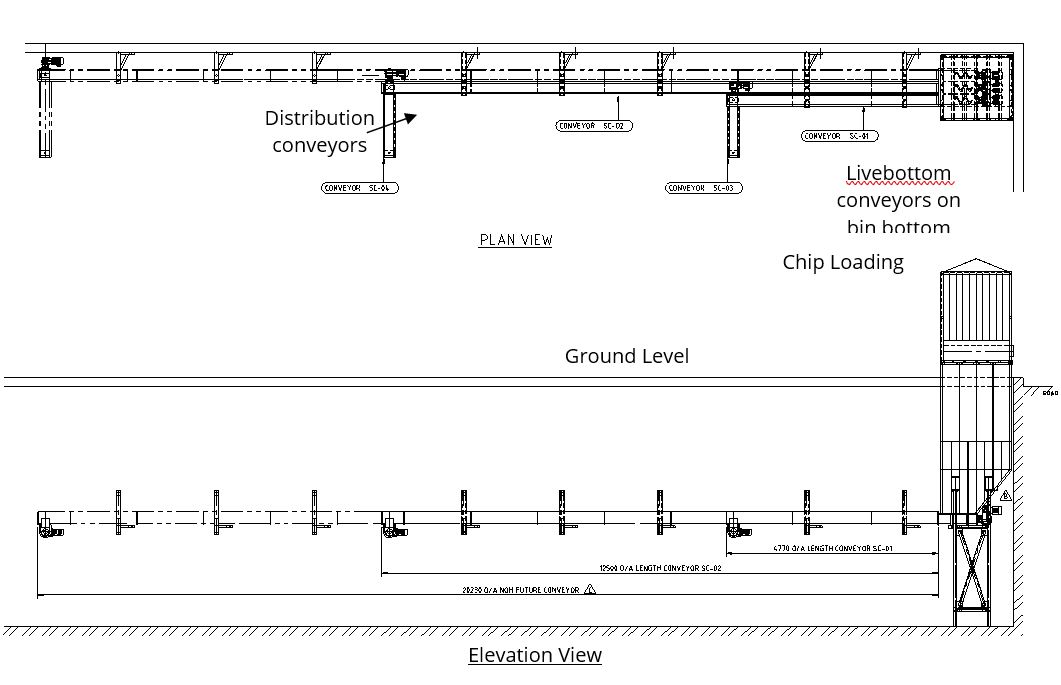
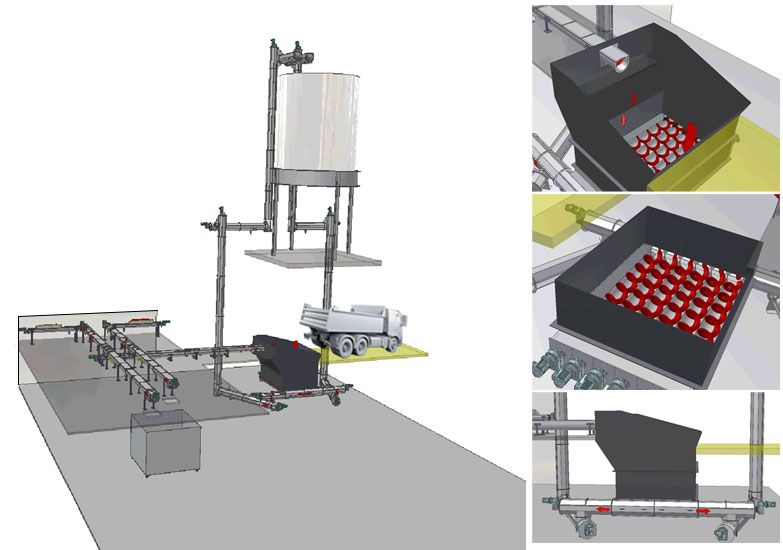
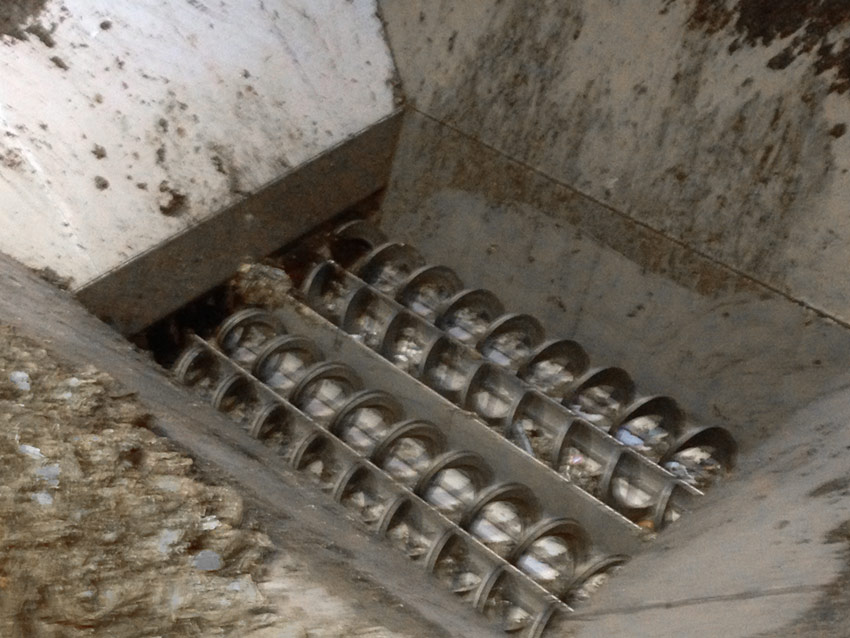
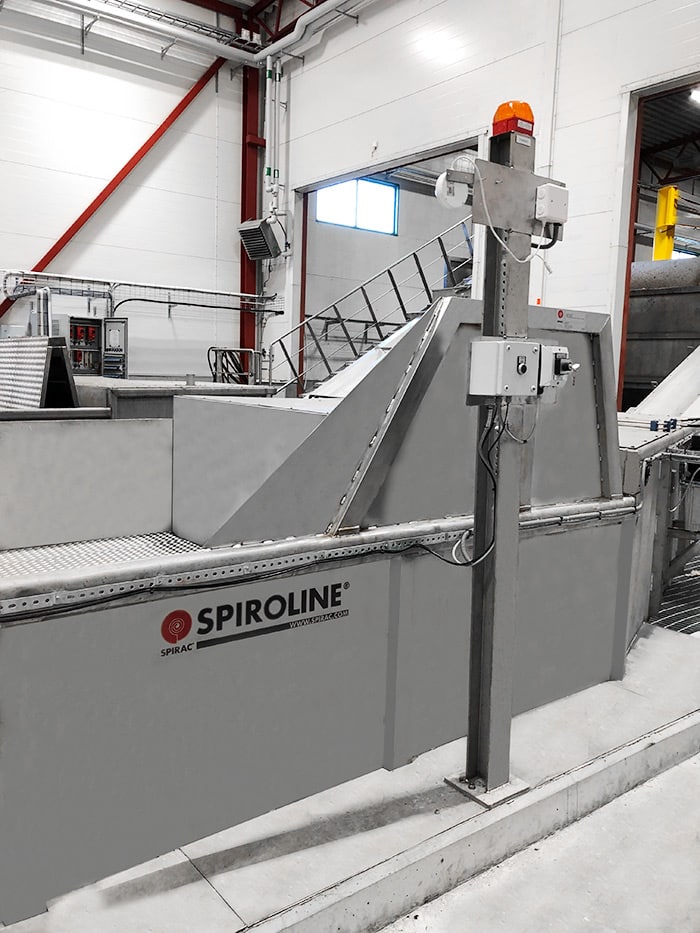
SPIRAC silos are typically top‑loaded via shaftless spiral incline conveyors and/or vertical/horizontal spiral systems. Discharge is managed by large‑diameter, large‑pitch shaftless (screw) spiral conveyors operating at low RPM. This combination provides a true live‑bottom effect that delivers continuous, uniform material movement across the entire silo floor—preventing flow bottlenecks even with highly cohesive materials.

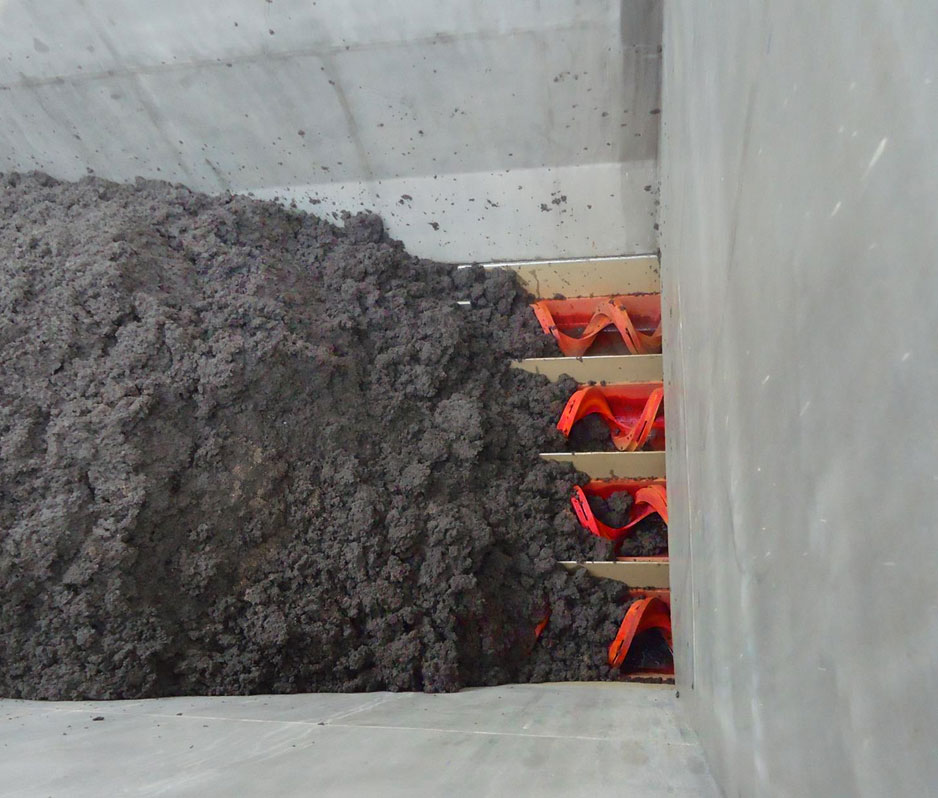
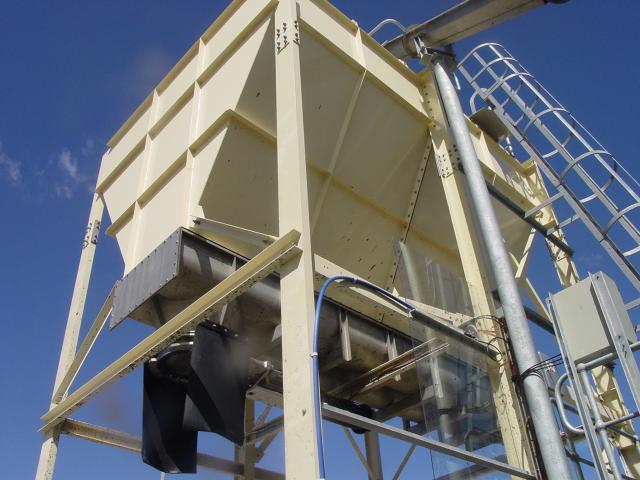
Rectangular geometry is preferred to maximize conveyor coverage and efficiency. A tapered floor supports the live‑bottom mechanism; while it reduces total storage capacity, it greatly enhances flow performance, making these silos ideal for small to medium volumes where consistent and dependable discharge is more important than maximum capacity.

Live‑bottom silos offer excellent bridging control, low energy consumption, and minimal maintenance requirements due to their slow‑speed, high‑torque operation and lack of hydraulic components. They represent a cost‑effective solution for facilities handling challenging sludge materials that demand reliable flow assurance.

Typical handled materials include wastewater/'industrial sludges, and other difficult, non–free‑flowing solids that are prone to ratholing.

Let us contact you

Technical details

  • Optimised Geometry: Live-bottom silos perform best when designed in a rectangular configuration, which allows the live-bottom screws to move material uniformly across the entire silo width. Round designs are possible but much less common.
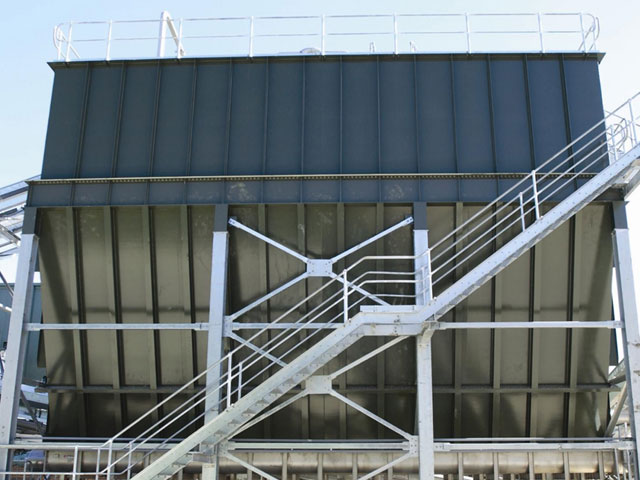
  • Tapered Floor for Reliable Discharge: The tapered floor and shell geometry allow the shaftless screws to operate efficiently, reducing stagnant zones and ensuring complete material mobilisation.Because the taper reduces available storage volume, these silos are ideally suited for small to medium storage requirements where reliable flow is more critical than maximum capacity.
  • Engineered for Difficult Material Behaviour: Live-bottom silos excel when handling extremely sticky, cohesive, or high‑moisture materials—materials that are prone to forming arches, sticking to walls, or creating ratholes in conventional silos.
  • Multiple Low‑RPM Spirals Ensure Continuous Movement: Several slow‑speed shaftless spirals run across the silo floor, ensuring consistent and controlled movement of even the most troublesome materials.
  • Excellent Bridging Control: The live-bottom arrangement virtually eliminates bridging and flow obstructions, supporting uninterrupted material handling.
  • Low Maintenance, No Hydraulics: The system maintains a low maintenance profile, supported by minimal wear components and the absence of hydraulic systems.
  • Energy Efficient Operation: Thanks to slow‑speed, high‑torque mechanisms, energy consumption remains low, even under heavy loads.
  • Cost Efficiency for Smaller Silos: The live-bottom concept is a cost‑effective solution for operations that need smaller silo capacities but highly reliable flow performance.
  • Ideal Where Material Flow Is Critical: These silos are perfect for sites where a tapered floor is acceptable and flow assurance is a top priority, especially with the most problematic bulk solids.
  • Typical Materials: Live-bottom silos are designed for:
    • sticky sludge cake

    • highly cohesive industrial sludge

    • materials prone to ratholing

    • difficult, non–free‑flowing bulk solids that require controlled handling

Solutions

Product benefits

  • Prevents material bridging
  • Efficient handling of sticky or fibrous inconsistent materials and foreign objects
  • High capacity outloading rates
  • Low RPM/low run hours mean wear components inside silo will last 15-20 years 
  • Low power consumption
  • Reliable operation
  • Very simple control system
  • Built in redundancy through multiple screw operation
  • Very few moving parts
  • Low maintenance

Recent News